


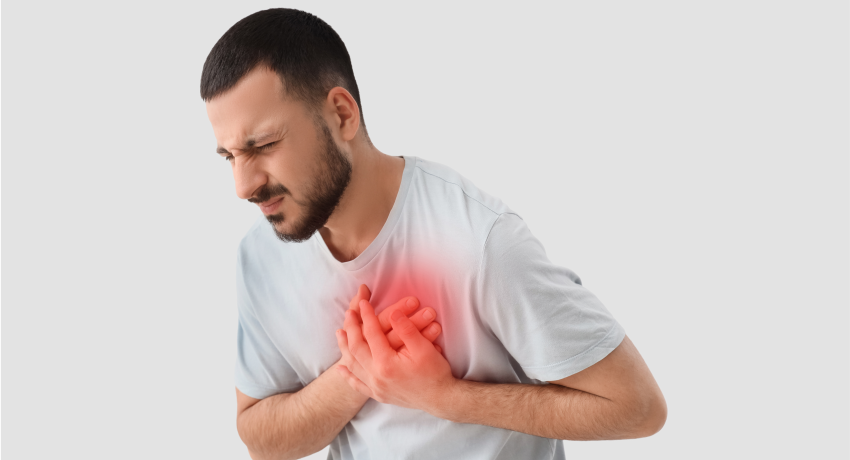
Heart attacks used to be thought of as a “middle-aged” problem. Today, more young adults are showing up in clinics with heart attacks—and the reasons are often a mix of lifestyle, genetics, medical conditions, and environmental stressors. The good news: many of these risks are identifiable and modifiable. If you’re under 50 (or care for someone who is), this guide will help you spot the warning signs and take effective steps to protect your heart.
The problem: more young people are at risk
We’re seeing a real shift. Sedentary jobs, processed foods, vaping, high stress, and rising rates of obesity and diabetes are combining to increase heart disease risk at earlier ages. Add a family history or an undiagnosed heart condition, and the danger rises further.
What causes heart attacks in younger adults?
1. Unhealthy lifestyle choices
Smoking (including e-cigarettes), heavy alcohol use, sedentary lifestyle, and a diet high in processed foods and trans fats are major drivers. These behaviors accelerate arteriosclerosis (stiffening of arteries) and raise blood pressure, cholesterol, and blood sugar—all of which increase heart attack risk.
2. Genetics and family history
A family history of early heart disease or stroke (especially in first-degree relatives) is an important risk factor. Genetics also influences predisposition to obesity, high cholesterol, and diabetes.
3. Underlying medical conditions
Conditions such as obesity, hypertension (high blood pressure), type 2 diabetes and inherited heart disorders (e.g., hypertrophic cardiomyopathy) greatly increase the chance of an early heart attack.
4. Chronic stress and depression
Long-term stress elevates cortisol and inflammatory markers and often pushes people toward unhealthy habits (poor sleep, overeating, alcohol, and smoking). Depression itself is linked to inflammation and worse heart outcomes.
5. Environmental factors
Air pollution and exposure to environmental toxins can increase cardiovascular risk—especially in people who already have other risk factors.
6. Special situations (pregnancy)
Pregnancy is a hypercoagulable state (blood is more likely to clot). In some women this can increase the risk of clot-related events such as stroke or heart attack, particularly if other risk factors exist.
Symptoms to watch for (don’t ignore these)
Young patients sometimes dismiss warning signs. Heart attacks can present differently from person to person, and not everyone has dramatic chest pain.
Common symptoms include:
- Chest discomfort, pressure, or heaviness
- Shortness of breath (with or without chest pain)
- Pain radiating to the neck, jaw, shoulder, arm, or back
- Cold sweats, nausea or lightheadedness
- Sudden, unexplained fatigue or weakness
If you suspect a heart attack, call emergency services immediately. Quick action saves heart muscle and lives.
How to prevent heart attacks—practical steps that work
Quit smoking (and vaping)
Tobacco in any form increases clotting and damages blood vessels. Quitting is the single most powerful step you can take.
Move regularly
Aim for at least 150 minutes of moderate-intensity aerobic activity per week plus strength training. Even brisk walking daily reduces risk significantly.
Eat for your heart
Focus on fruits, vegetables, whole grains, lean proteins, and healthy fats. Cut down on saturated and trans fats, processed foods, and excess salt.
Maintain a healthy weight
Weight management helps control blood pressure, cholesterol, and blood sugar.
Manage stress and mental health
Use mindfulness, exercise, social connection, or therapy. Treating depression and anxiety is part of heart disease prevention.
Control medical risk factors
Monitor and treat high blood pressure, high cholesterol, and diabetes. Regular screening and adherence to prescribed medications matter.
Reduce pollution exposure when possible
On high-pollution days, limit prolonged outdoor activity; consider indoor air-cleaning measures if needed.
Regular health checkups
Early detection is key. Screenings for blood pressure, lipid profile, blood sugar, and, if indicated, cardiac imaging can detect problems early.
When to see a doctor—and what to ask
If you have a family history of early heart disease, unexplained chest discomfort, breathlessness, or sudden fatigue—don’t delay. Ask your doctor about:
- Blood pressure, lipid, and blood sugar screening
- Lifestyle-based prevention plans (diet, exercise)
- Whether you need advanced testing (ECG, echocardiogram, stress testing)
- Referral to a cardiologist for specialized care if indicated
Quick checklist: reduce your heart attack risk today
- Stop smoking (including vaping)
- Move 30 minutes most days
- Choose whole foods over processed foods
- Limit alcohol intake
- Sleep 7–9 hours regularly
- Get screened for BP, cholesterol, diabetes
- Seek help for stress or depression
FAQs
Q: Can a young person with no symptoms have a heart attack?
Yes. Heart disease can be “silent” for years. That’s why screening and healthy habits matter even if you feel fine.
Q: How much does family history matter?
A lot—especially if a first-degree relative had early heart disease. But genetics is only part of the story; lifestyle changes can still lower risk.
Q: Are e-cigarettes safer than smoking for the heart?
No. Vaping still affects blood vessels, increases inflammation, and can raise cardiovascular risk. Quitting all forms of nicotine is best.
Q: What tests should a young adult with risk factors get?
Start with blood pressure, fasting glucose/HbA1c, lipid profile, and a clinical exam. Your doctor may recommend an ECG or further imaging, depending on your symptoms and family history.
Q: Can stress alone cause a heart attack?
Chronic stress contributes to heart disease through inflammation and unhealthy coping behaviors. Extreme emotional stress can precipitate events like “broken heart syndrome” (stress-induced cardiomyopathy).
Final note: prevention is powerful
Rising heart attacks in younger people are alarming—but they’re not inevitable. A combination of awareness, lifestyle changes, timely screening, and early treatment prevents many cases from becoming life-threatening.
If you’d like a personalized heart risk check, book an appointment with our clinic. We’ll assess your risk, recommend the right tests, and design a prevention plan that fits your life.
Book your consultation:
+91 9116769111 | +91 9982052350
Dr. Ruchi’s Cardiac Center, Gopalpura, Jaipur
www.drruchigupta.com | Follow: @dr.ruchis__cardiac__center
Add new comment