Heart Health Prevention: 10 Simple Ways to Protect Your Heart
Heart disease continues to be one of the leading causes of death worldwide, but here’s the encouraging part — a large part of heart disease is preventable.

Heart disease continues to be one of the leading causes of death worldwide, but here’s the encouraging part — a large part of heart disease is preventable.
Heart disease often brings with it a fear of major procedures like angioplasty or open-heart surgery. While these treatments are lifesaving and necessary in many cases, they are not always possible for every patient.
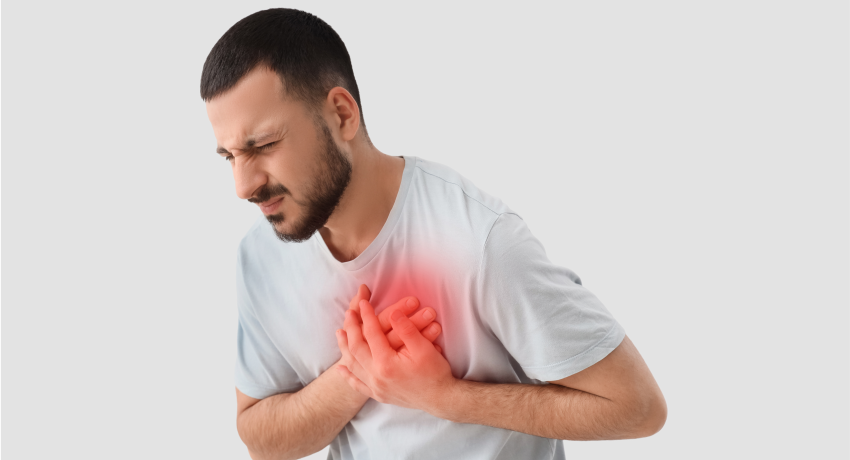
Heart attacks used to be thought of as a “middle-aged” problem. Today, more young adults are showing up in clinics with heart attacks—and the reasons are often a mix of lifestyle, genetics, medical conditions, and environmental stressors. The good news: many of these risks are identifiable and modifiable. If you’re under 50 (or care for someone who is), this guide will help you spot the warning signs and take effective steps to protect your heart.