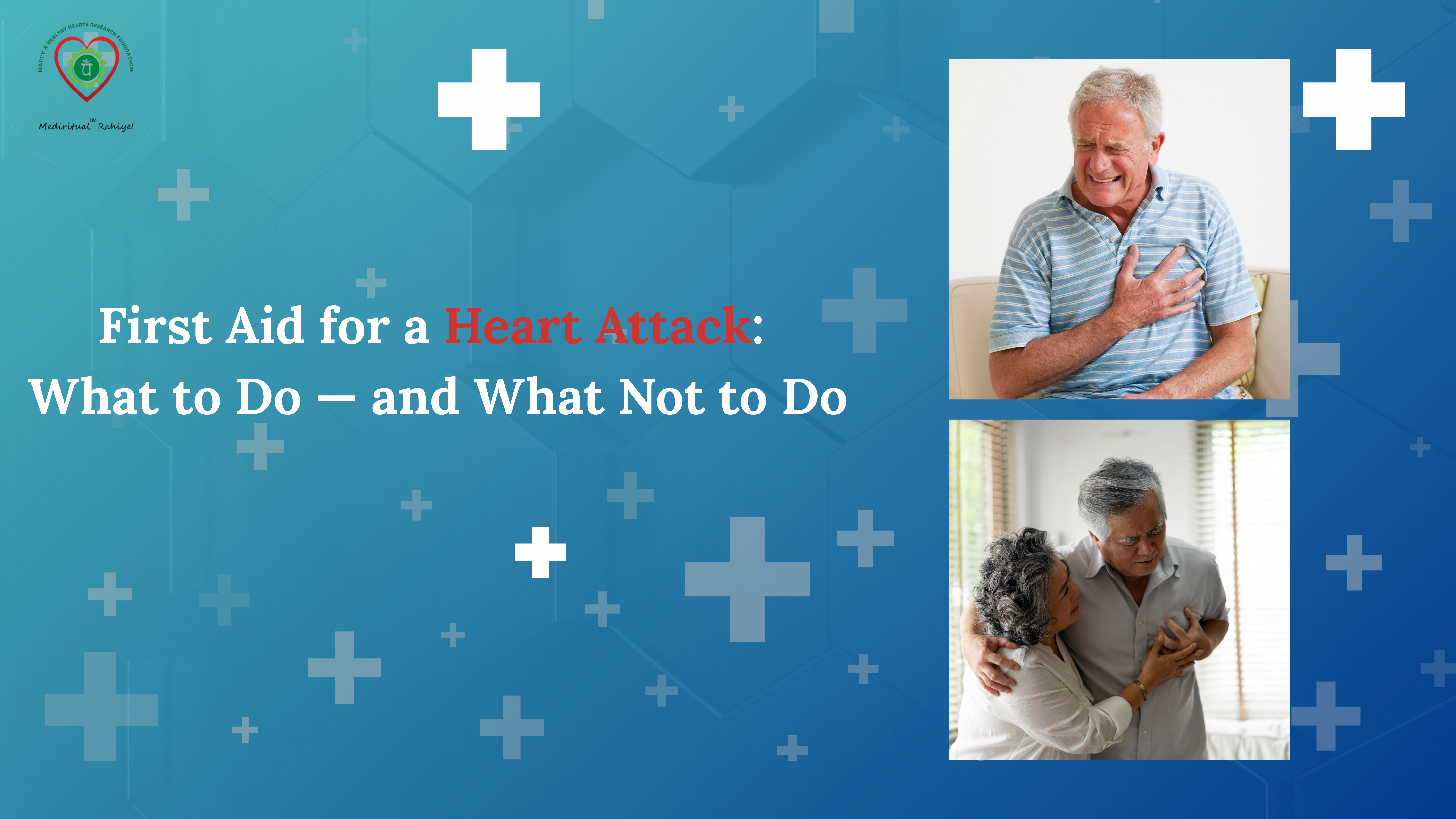
A heart attack can arrive without warning. When it happens, every minute matters — because “time is muscle.” Knowing the right first-aid steps can save heart muscle, and in many cases, a life. Below is a clear, practical guide you can use immediately if you or someone nearby shows signs of a heart attack.
Quick note: This is emergency first aid, not a substitute for medical care. Always call emergency services immediately if you suspect a heart attack.
Recognize the warning signs.
Heart attack symptoms are not always dramatic. Common signs include:
- Chest discomfort or pressure (may feel like squeezing, fullness, or heavy pressure)
- Pain or discomfort spreading to the shoulder, arm, neck, jaw, or back
- Shortness of breath, with or without chest pain
- Sudden sweating, nausea, or lightheadedness
- Feeling unusually weak, anxious, or faint
If anything feels “off” and especially if chest discomfort is involved, treat it as an emergency.
What to do immediately (DOs)
1. Make the person lie down and stay calm
Help the person sit or lie down in a comfortable position (semi-reclined is often best). Please encourage them to breathe slowly and remain as still as possible. Movement and exertion increase the heart’s oxygen demand — and that’s what we want to avoid.
2. Call an ambulance immediately
Don’t wait for the pain to settle. The faster you reach medical help, the more heart muscle can be saved. Always choose the nearest hospital
3. Give chewable or dispersible aspirin — if allowed
If the person is conscious, not allergic to aspirin, not already taking a blood-thinner (or you are unsure), and can chew safely, give one chewable or dispersible aspirin (150–300 mg) — or the equivalent. Chewing is important because it speeds absorption. Aspirin helps by preventing further clot formation in the coronary arteries.
Important: Do not give aspirin if the person is unconscious, cannot swallow, or has a known aspirin allergy — in those cases, wait for professional responders.
4. Loosen tight clothing and make them comfortable
Loosen collars, belts, and tight clothing to ease breathing. Keep them warm and reassured — panic raises heart rate and blood pressure.
5. Prepare for the hospital: note medications & history
If possible, note the person’s known medical conditions, current medications (especially blood thinners), and any allergies. This short summary helps the ambulance and hospital team act faster on arrival.
6. If the person becomes unresponsive, start CPR
If the person loses consciousness and is not breathing normally, call for help and begin hands-only CPR (100–120 compressions per minute, push hard and fast in the centre of the chest). If a trained person is present and an AED is available, use it as instructed.
What not to do (DON’Ts)
Don’t make them exert themselves
No walking, driving yourself to the hospital, climbing stairs, or doing any physical activity. Exertion can worsen a heart attack.
Don’t panic or let them panic.
Panic increases heart rate and oxygen demand. Speak calmly, keep them reassured, and focus on getting emergency help.
Don’t repeat nitroglycerin or blood-pressure pills unless advised
If you don’t know the person’s blood pressure or medical history, do not administer their BP medicines, nitrates (sorbitrate), or other prescriptions without professional advice. These drugs can dangerously lower blood pressure in some situations.
Don’t wait it out
Delay is the enemy. If you suspect a heart attack, call emergency services immediately. “Waiting to see if it gets better” can cost precious heart muscle and lives.
Don’t give food or drinks that can interfere.
Avoid giving alcohol, large amounts of water, or other medications unless instructed by emergency responders.
Why aspirin and ambulance matter
Aspirin (chewed) can slow the growth of a clot in a coronary artery, giving more time for hospital treatment. Ambulance teams begin life-saving care en route and take you to the right facility fast. Both actions improve outcomes.
Quick checklist: First Aid for Suspected Heart Attack
- Call emergency services now
- Help the person lie down and stay calm
- Give one chewable/dispersible aspirin (150–300 mg) if safe to do so
- Loosen tight clothes and monitor breathing
- Do NOT give unknown pills or force activity
- If unresponsive and not breathing, begin CPR and use an AED if available
Frequently asked questions
Q: Can I drive the person to the hospital instead of waiting for an ambulance?
A: If an ambulance response is available, always call it. Ambulance teams provide treatment en route. Driving can delay urgent care and risk accidents if the person deteriorates.
Q: Should everyone with chest discomfort take aspirin?
A: Only if the person is conscious, not allergic, and able to chew/swallow safely. If in doubt, call emergency services for guidance.
Q: What if the person has already taken aspirin or blood-thinners?
A: Tell the EMS dispatcher and the emergency team on arrival. They will factor that into treatment.
Final note
Fast first aid saves lives — but prevention protects them in the first place. Control high blood pressure, manage diabetes, stop smoking, maintain a healthy weight, and talk to a cardiologist about personalized risk reduction.
If you or a loved one needs a heart check or wants to learn more about heart attack prevention and emergency response, book a consultation with Dr. Ruchi Gupta.
Add new comment